The post Closing Entries: Step by Step Guide appeared first on Juivisi.com.
]]>
This process resets the temporary accounts to zero for the next period. In the next accounting period, these temporary accounts are opened again and normally start with a zero balance. In a general financial accounting system, temporary or nominal accounts include revenue, expense, dividend, and income summary accounts. The final step in the closing process is to close the dividend account.
Understanding Closing Entries in Accounting: Purpose and Process
This is done by debiting the Income Summary and crediting Retained Earnings if there’s net income, or vice versa for a net loss. Automation transforms the process of closing entries in accounting, making it more efficient and accurate. By leveraging automated systems, businesses can ensure that all tasks related to closing entries are handled seamlessly, reducing manual effort and minimizing errors. To close expenses, we simply credit the expense accounts and debit Income Summary. To close that, we debit Service Revenue for the full amount and credit Income Summary for the same.
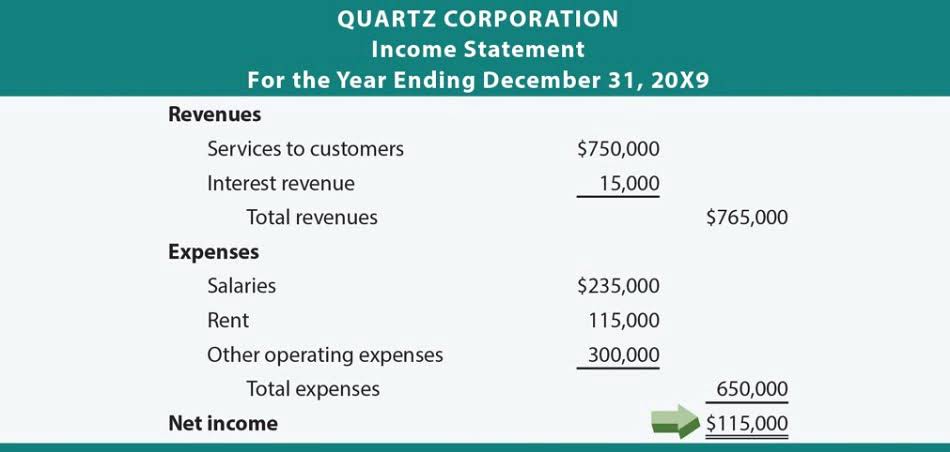
Balance Sheet
This ensures that the income earned and expenses incurred so far pertains only to that period and does not include cumulative data from previous periods. The balances in permanent accounts accumulate over time and are carried forward to future periods, reflecting the company’s long-term financial status. However, some corporations use a temporary clearing account for dividends declared (let’s use “Dividends”).
Accounts Receivable Solutions
- Temporary accounts, also called nominal accounts, capture financial activities for a specific period, including revenues, expenses, and dividends.
- To do this, their balances are emptied into the income summary account.
- One key aspect of this process involves closing entries, which play a vital role in ensuring the integrity of financial statements.
- Closing journal entries are made at the end of an accounting period to prepare the accounting records for the next period.
- In accounting terms, these journal entries are termed as closing entries.
- The purpose of the closing entry is to reset temporary account balances to zero on the general ledger, the record-keeping system for a company’s financial data.
- Equip yourself with the right tools and resources from our shop, or explore our free accounting lessons.
A closing entry is a journal entry made at the end of an accounting period. It involves shifting data from temporary accounts on the income statement to permanent accounts on the balance sheet. Closing entries are a fundamental part of accounting, essential for resetting temporary accounts and ensuring accurate financial records for the next period. This process highlights a company’s financial performance and position.
- These accounts carry their ending balances into the next accounting period and are not reset to zero.
- All revenue and expense account balances are first transferred to the income summary account, which then shows the net income or loss for the period.
- The income summary account is, therefore, closed by debiting the income summary account and crediting the retained earnings account.
- Balances from temporary accounts are shifted to the income summary account first to leave an audit trail for accountants to follow.
- Clear the balance of the revenue account by debiting revenue and crediting income summary.
What are Temporary Accounts?

Retained earnings are defined as a portion of a business’s profits that isn’t paid out to shareholders but is rather reserved to meet ongoing expenses of operation. Accountdemy offers accounting tools and resources for students and professionals. Equip yourself with the right tools and resources from our shop, or explore our free accounting lessons.
Close Income Summary
In this guide, we delve into what closing entries are, including examples, the process of journalizing and posting them, and their significance in financial close management. The accounting cycle involves several steps to manage and report financial data, starting with recording transactions and ending with preparing financial statements. These entries transfer balances from temporary accounts—such as revenues, expenses, and dividends—into permanent accounts like retained earnings. Moreover, closing entries facilitate the reconciliation of accounts, which is a critical aspect of financial management. By transferring the balances of temporary accounts to permanent ones, businesses can verify that all transactions have been accurately recorded and that the financial statements are complete. This reconciliation process helps in identifying any discrepancies or errors that may have occurred during the accounting period, allowing for timely corrections and adjustments.
Types of Accounts Affected

In essence, we are updating the capital balance and resetting all temporary account balances. Income and expenses are closed to a temporary clearing account, usually Income Summary. Afterwards, withdrawal or dividend accounts are also closed to the capital account. This is closed by doing the opposite – debit the capital account (decreasing the capital balance) and credit Income Summary. An one purpose of closing entries is to accounting period is any duration of time that’s covered by financial statements. It can be a calendar year for one business while another business might use a fiscal quarter.
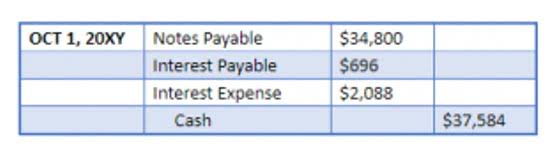
Closing Entry for Expense Account
Companies generally journalize and post-closing entries only at the end of the annual accounting period, in contrast to the steps in the cycle. ‘Retained earnings‘ account is credited to record the closing entry for income summary. This document establishes a clean starting point for the next accounting period, ensuring all accounts are balanced. It provides financial managers with a reliable framework for future planning and performance analysis, enhancing the integrity of financial reporting and supporting long-term stability. LiveCube Task Automation is designed to automate repetitive gross vs net tasks, improve efficiency, and facilitate real-time collaboration across teams.
- Temporary accounts are accounts in the general ledger that are used to accumulate transactions over a single accounting period.
- Then, credit the income summary account with the total revenue amount from all revenue accounts.
- Expense accounts are closed by transferring their balances to the Income Summary account.
- The final step in the closing process is to close the dividend account.
Should closing entries be performed before or after adjusting entries?
C. If the income exceeds the cost in the income summary account, the result is a net profit, for which income summary account shows a credit balance. All these accounts are shown in the income statement, and their effect is short-term. At the end of each accounting period, financial statements are prepared to determine the financial status of the company. Enerpize is an online accounting software designed to streamline financial tasks for small and medium-sized businesses. Accounting Security It provides real-time access to your financial data and integrates powerful tools for accounting, inventory, payroll, and more, all within a secure and user-friendly platform. The Income Summary account, which reflects the net income or loss, is then closed to Retained Earnings (or Capital).
The post Closing Entries: Step by Step Guide appeared first on Juivisi.com.
]]>